What is Nano Banana, and how does it work?
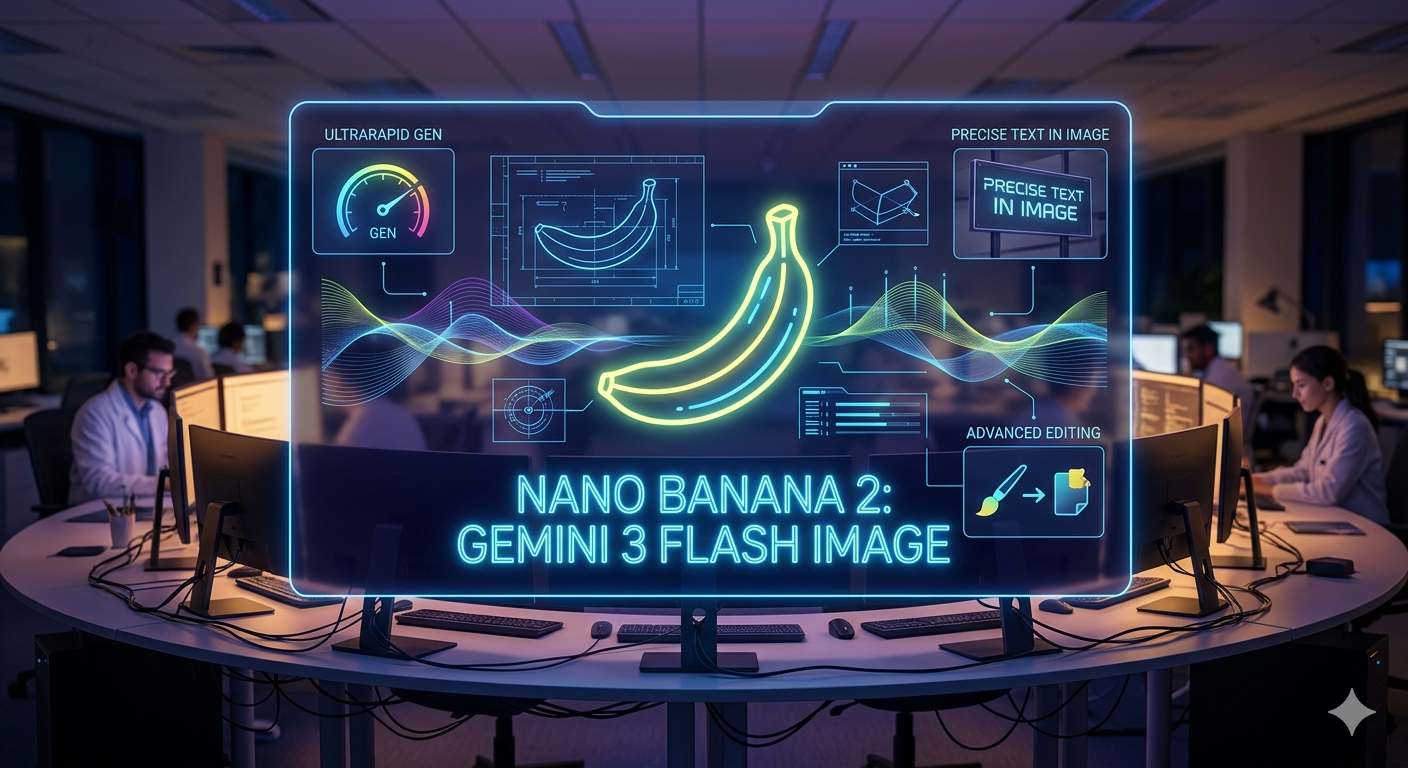
What is Nano Banana, and how does it work.
It sounds like a quirky snack or a futuristic tech gadget, but Nano Banana is actually the viral nickname for Google’s state-of-the-art AI image generation technology. While the name is playful, the capabilities are industry-leading. This article breaks down what it is, the curious history behind the name, and how you can use it for free.
Try the authentic Nano Banana technology for free here
Quick Facts:
- Official Name: Gemini 3.1 Flash Image (and Gemini 3 Pro Image).
- Developer: Google DeepMind.
- Key Strength: Near-instant image generation with high architectural precision.
- Unique Feature: Exceptional “Text-in-Image” rendering (no more AI gibberish on signs or labels).
What is Nano Banana?
Nano Banana is not a standalone app or a separate subscription service. It is the core engine that powers image generation within Google’s flagship AI platforms, such as Google Gemini and Google AI Studio. It was designed with a simple goal: to turn descriptive prompts into high-fidelity visual assets in seconds.
Unlike older AI models that struggled with human anatomy or written words, the latest iteration (Nano Banana 2) excels at following complex instructions and placing perfectly spelled text within generated images. Whether you need a logo, a product mockup, or a creative illustration, Nano Banana handles it with unprecedented speed.
nanobanana.io or similar domains are not owned by Google. These are often unauthorized sites attempting to sell subscriptions for technology that Google provides for free (within daily quotas). Always use official Google channels.How does it work?
The workflow is designed to be intuitive, allowing anyone to become a “visual engineer” without technical training:
- Enter your prompt: You describe the image you want in plain English. You can specify the style (e.g., “cinematic,” “oil painting”), the aspect ratio, and any text you want to appear in the image.
- AI Processing: Nano Banana 2 analyzes your request in milliseconds. Using the “Flash” architecture, it understands the relationship between objects, lighting, and context.
- Generation: The model renders the image almost instantly. Because it is optimized for speed (hence the name “Nano”), you don’t have to wait for long processing queues.
- Review and Refine: If the result isn’t perfect, you can follow up with natural language, such as “Change the background to a sunset” or “Make the text font more modern.”
- Implementation: Download your asset and drop it directly into your workflow, from blog posts to marketing campaigns.
Example Workflow
Imagine you need a hero image for a coffee shop website. You type: “A professional photo of a steaming latte on a marble table, with the words ‘Freshly Brewed’ written in the foam.” Nano Banana will generate the image, including the specific text in the foam, in a matter of seconds.
The History: From a Midnight Joke to a Viral Brand
The name “Nano Banana” originated at 2:00 AM during a research session at Google DeepMind. The team needed an anonymous “placeholder” name to submit their model to the LMSYS Chatbot Arena—a public platform where AI models are tested blindly against each other.
A product manager suggested Nano Banana because it sounded fun, was easy to remember, and would never be traced back to a major tech corporation. However, the model performed so well that it dominated the leaderboards. The “Nano Banana” name went viral in the AI community before Google could announce the official “Gemini” branding, leading them to embrace the nickname permanently.
Conclusion
Nano Banana (Gemini 3.1 Flash Image) represents a massive leap in AI accessibility. Its value comes from its speed and its ability to understand the world—and our language—more accurately than ever before. To get the best results, remember to be specific in your prompts and always use the official tools.
- Nano Banana is Google’s fastest and most precise image generation model.
- Accessible for free (with limits) via Google Gemini.
- Avoid third-party clones; they are often unnecessary and potentially unsafe.
- Always perform a final human review to ensure the output matches your brand’s quality.